Exactly How POS System Functions: A Comprehensive Overview for Entrepreneur
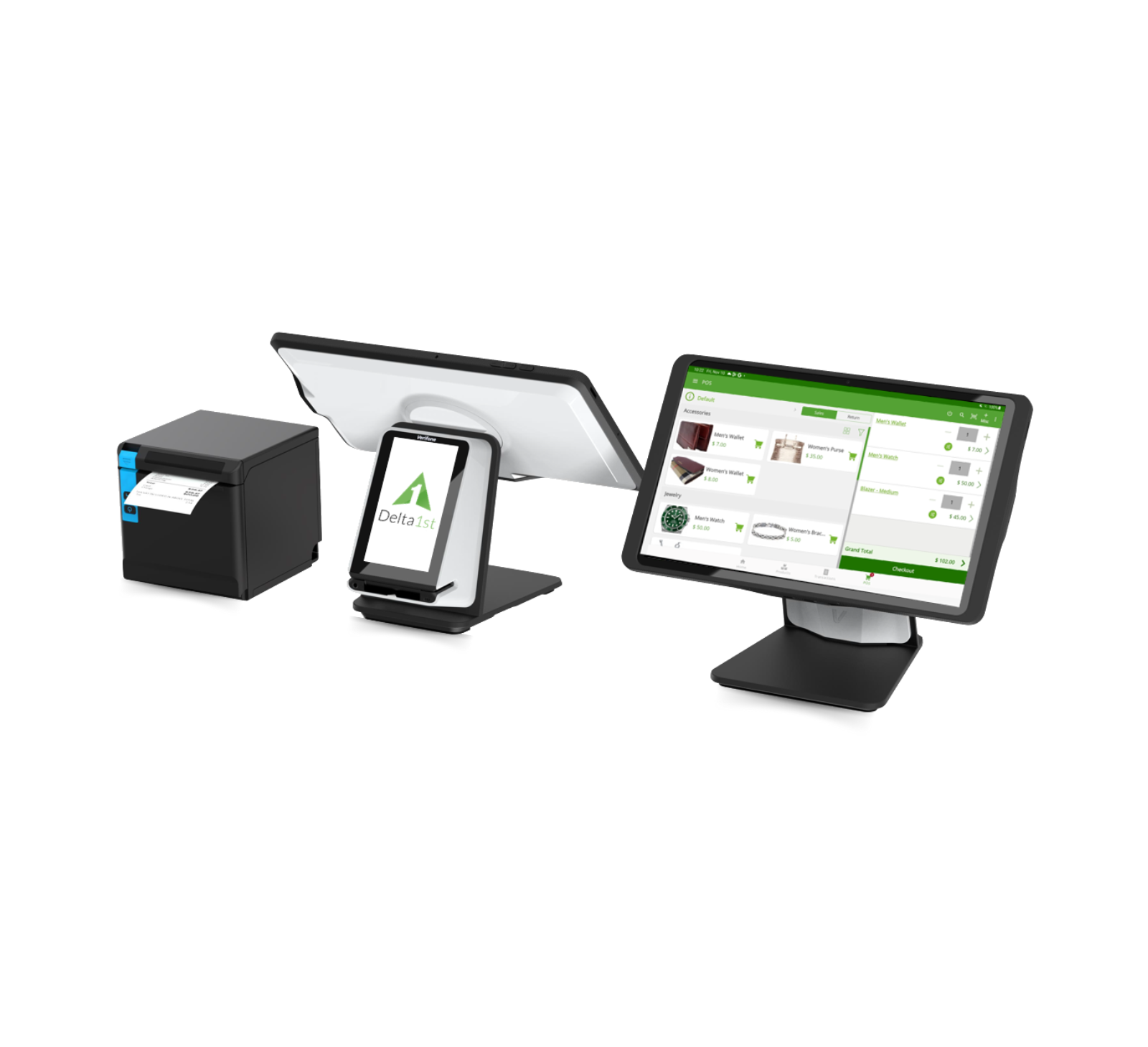
Understanding the Elements of a POS System

Just How Sales Transactions Are Processed
When a consumer determines to make a purchase, the sales purchase launches a series of systematic actions within the POS system. First, the cashier inputs the products being bought, which are scanned via a barcode visitor or by hand gone into. This action gets item details, including pricing and relevant taxes, from the system's database.Next, the consumer exists with the total quantity due. The POS system after that refines the settlement, whether via cash money, credit report card, or mobile payment methods (Restaurant POS Software). For electronic settlements, the POS securely interacts with repayment processors to license and verify the transaction.Once the settlement is confirmed, the system produces a receipt, which can be printed or sent electronically. This receipt functions as evidence of acquisition for the client. Finally, the purchase data is tape-recorded in the system, ensuring accurate sales records and economic monitoring for business
Inventory Management and Monitoring
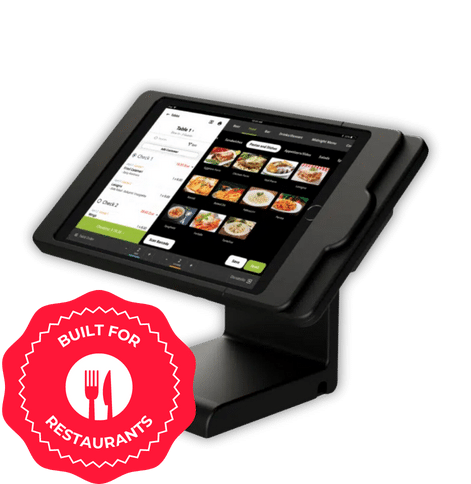
Efficient inventory monitoring and tracking are crucial elements of a POS system, as they assure that companies maintain optimal supply degrees and reduce discrepancies. A robust POS system enables real-time stock updates, reflecting sales and returns immediately. This makes it possible for entrepreneur to monitor supply levels precisely, making sure that prominent products are easily available while preventing overstocking of less popular products.Additionally, advanced POS systems provide features such as automated stock notifies and reorder tips, enhancing the purchase procedure. Barcoding and RFID modern technology boost precision in tracking stock movement, minimizing human error. Considerable reporting devices supply insights right into inventory turnover prices, assisting services make notified decisions about buying and item offerings. Inevitably, efficient supply monitoring with a POS system not just enhances functional effectiveness yet additionally enhances client fulfillment by making sure product schedule.
Analyzing Consumer Data and Insights
Client information analysis acts as a powerful device for businesses using a POS system (Restaurant POS Software). By checking out and accumulating transaction information, businesses can uncover valuable understandings regarding consumer habits and choices. website This evaluation allows them to determine acquiring trends, peak shopping times, and preferred items, thus educating inventory choices and advertising strategies.Additionally, companies can sector their client base, permitting for personalized advertising efforts that satisfy certain demographics or purchasing habits. Recognizing customer commitment patterns additionally assists in developing targeted promos and incentives programs.The information amassed from a POS system can likewise expose understandings into customer feedback, enabling organizations to make educated choices relating to product offerings and service renovations. Ultimately, leveraging customer information properly can improve the total purchasing experience, foster customer contentment, and drive earnings growth
Benefits of Executing a POS System

Regularly Asked Questions
What Sorts Of Services Can Benefit From a POS System?
Various businesses profit from a POS system, including retail shops, restaurants, hair salons, and e-commerce platforms. These systems improve transactions, inventory management, and customer information, boosting operational effectiveness and improving customer experience throughout varied markets.
Just how Much Does a POS System Commonly Expense?
The expense of a POS system usually ranges from a couple of hundred to numerous thousand bucks, relying on features, equipment, and software program. Organizations should think about ongoing fees for transaction, assistance, and upkeep processing when budgeting.
Can I Integrate a POS System With Existing Software Program?
Integrating a POS system with existing software application is commonly feasible. Several systems supply APIs or built-in compatibility features, permitting companies to improve procedures and improve performance by connecting different software application applications properly.
What Training Is Needed for Staff to Use a POS System?
Training for team to use a POS system usually includes understanding software capabilities, refining transactions, managing stock, and dealing with customer interactions. Practical demos and hands-on practice sessions boost effectiveness and confidence in operation the system efficiently.
What Occurs if the Net Decreases While Using a POS System?
If the internet drops during POS system usage, transactions may be interrupted. Many systems offer offline capacities, permitting basic operations to proceed, however complete functionality, including real-time inventory check here updates, will certainly be limited. click here A Point of Sale (POS) system is made up of numerous vital components that work with each other to handle and help with purchases company operations. Efficient stock monitoring and tracking are vital parts of a POS system, as they guarantee that companies preserve suitable stock degrees and minimize discrepancies. Customer information analysis offers as an effective tool for services making use of a POS system. Comprehending consumer loyalty patterns likewise aids in establishing targeted incentives and promos programs.The information amassed from a POS system can also disclose insights into client comments, enabling companies to make informed decisions concerning product offerings and solution enhancements. Applying a POS system offers various advantages that can substantially enhance service procedures.
Comments on “When to switch to a modern Restaurant POS Software system?”